Rosa Jenkins · 8 November 2026
Tracking Nutrient Flow Cycles Through Sensor Arrays Embedded in Virtual Prairie Reconstructions
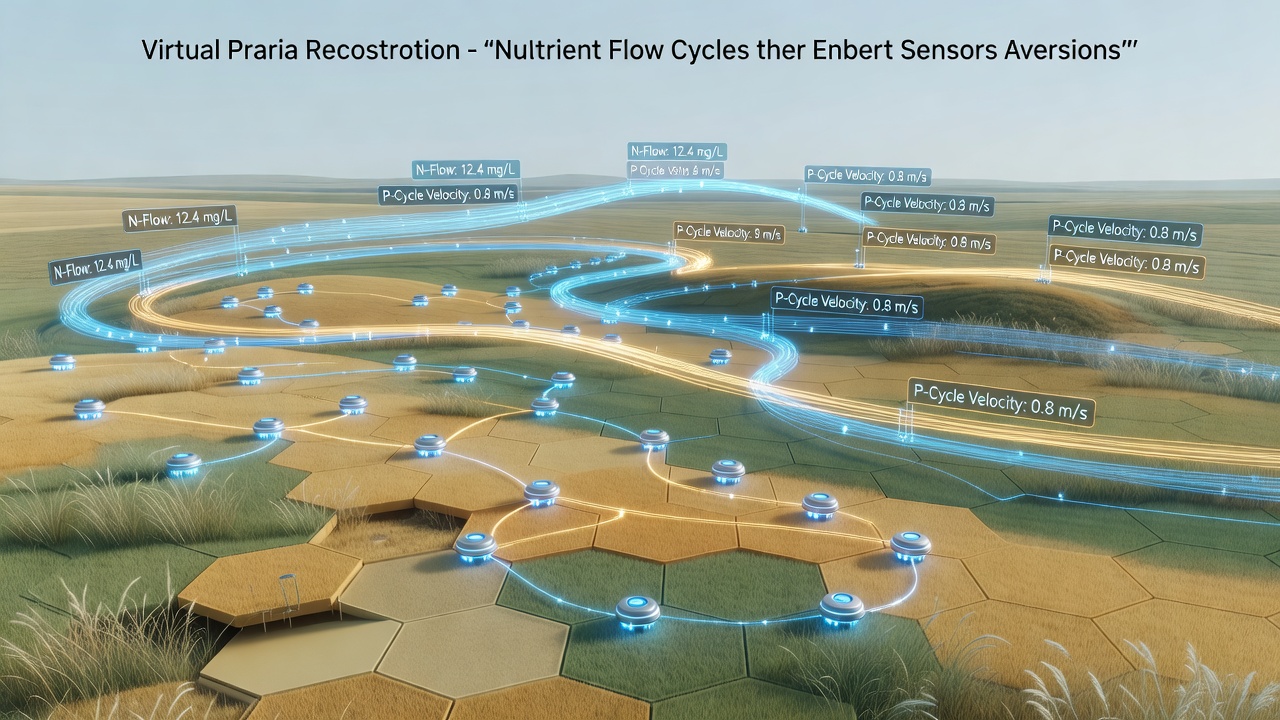
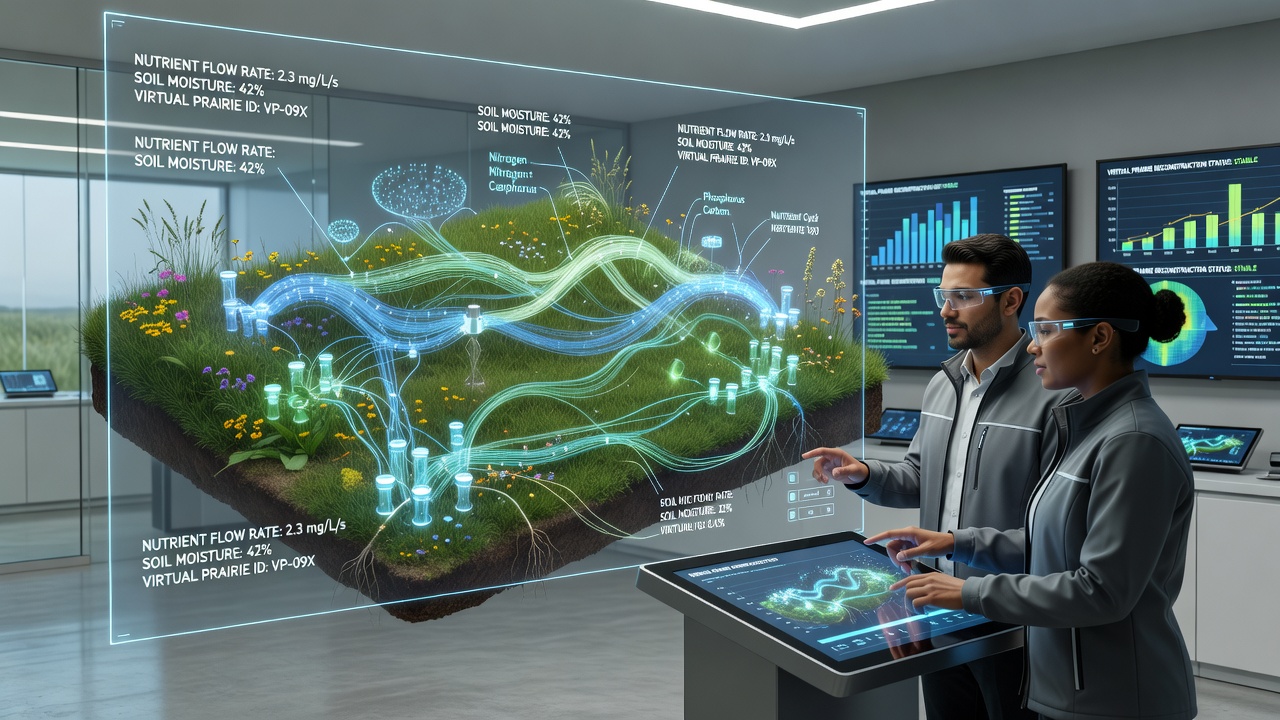
Virtual prairie reconstructions integrate detailed ecological data with digital modeling techniques to replicate grassland ecosystems at scale, and sensor arrays placed throughout these models capture real-time measurements of nutrient movement. Researchers embed arrays that monitor nitrogen, phosphorus, and potassium levels as they cycle through soil profiles, plant roots, and microbial communities, which produces continuous data streams that feed into simulation software. These systems allow observers to examine how nutrients transfer between above-ground biomass and subsurface layers without disturbing physical field sites.
Sensor Technology and Data Integration
Arrays consist of electrochemical probes, optical sensors, and wireless nodes that detect ion concentrations at multiple depths, while each node transmits readings to centralized databases every few minutes during active cycles. Data integration occurs through mapping software that overlays sensor outputs onto three-dimensional reconstructions of prairie topography, root networks, and water flow paths, and this setup reveals patterns such as seasonal spikes in available nitrogen following simulated rainfall events. Studies indicate that calibration protocols adjust for temperature fluctuations and soil moisture variations to maintain accuracy across extended monitoring periods.
One team at a research facility documented how embedded sensors tracked phosphorus leaching during modeled drought conditions, and the resulting datasets showed reduced uptake rates in certain grass species when water availability dropped below established thresholds. Those findings align with broader observations from similar projects that link nutrient mobility to microbial activity indicators captured by the same arrays.
Applications in Ecological Modeling
Virtual reconstructions serve multiple purposes including training programs for land managers and predictive assessments for restoration projects, yet the core value lies in the ability to test variables that would be impractical to manipulate in actual prairies. Sensor data supports models that forecast how fertilizer runoff from adjacent agricultural zones might alter native plant communities over multi-year periods, and analysts compare these outputs against historical records from real grassland sites to refine simulation parameters. In November 2026, updated sensor firmware releases improved detection limits for trace elements, which expanded the range of nutrients that arrays could monitor simultaneously in ongoing reconstruction projects.
Take one research group that combined array outputs with satellite-derived vegetation indices, and the combined approach identified localized nutrient hotspots that corresponded to areas of higher plant diversity in the digital models. Observers note that such correlations help prioritize field verification efforts when virtual results suggest unexpected nutrient redistribution patterns.
Challenges in Sensor Deployment and Calibration
Placement of arrays requires careful consideration of root density zones and drainage patterns because uneven distribution can create gaps in nutrient flow coverage, and calibration routines must account for sensor drift that accumulates over months of continuous operation. Teams address these issues through periodic cross-checks against laboratory soil samples collected from corresponding real-world reference sites, while software algorithms flag anomalies that fall outside expected ranges for particular seasons or vegetation types. Evidence from multiple installations shows that redundancy in probe placement reduces data loss when individual nodes experience temporary failures due to power fluctuations or signal interference.
According to information from the USGS Northern Prairie Wildlife Research Center, comparable sensor networks in physical prairies have recorded annual nitrogen cycle variations that virtual models now replicate with increasing precision. Researchers cross-reference these records to validate simulation accuracy and adjust parameters when discrepancies appear between digital outputs and field measurements.
Future Directions and Expanded Monitoring
Developments in miniaturization allow newer sensor versions to occupy less space within reconstructions while maintaining measurement resolution, and integration with machine learning tools enables automated identification of nutrient pulse events that previously required manual review. Projects underway explore linking virtual prairie arrays to broader watershed models that incorporate upstream agricultural inputs and downstream water quality metrics, which creates opportunities for regional-scale analysis of nutrient transport. Data from these expanded networks contribute to reports that track compliance with environmental targets across multiple jurisdictions.
One collaborative effort between Canadian and Australian institutions demonstrated how shared sensor protocols improved consistency when comparing nutrient dynamics in different grassland types, and the approach reduced discrepancies that had arisen from variations in equipment specifications. Those protocols continue to evolve as hardware capabilities advance and as new reconstruction projects incorporate additional environmental variables.
Conclusion
Embedded sensor arrays in virtual prairie reconstructions provide measurable, continuous records of nutrient flow cycles that support research, planning, and educational uses, and the technology continues to advance through refinements in probe design and data processing methods. Information gathered from these systems informs decisions about grassland management by offering detailed views of processes that operate across soil, plant, and microbial components, while ongoing calibration efforts maintain data reliability. As reconstruction models incorporate additional layers of environmental data, the role of sensor arrays in documenting nutrient dynamics grows in scope and precision.